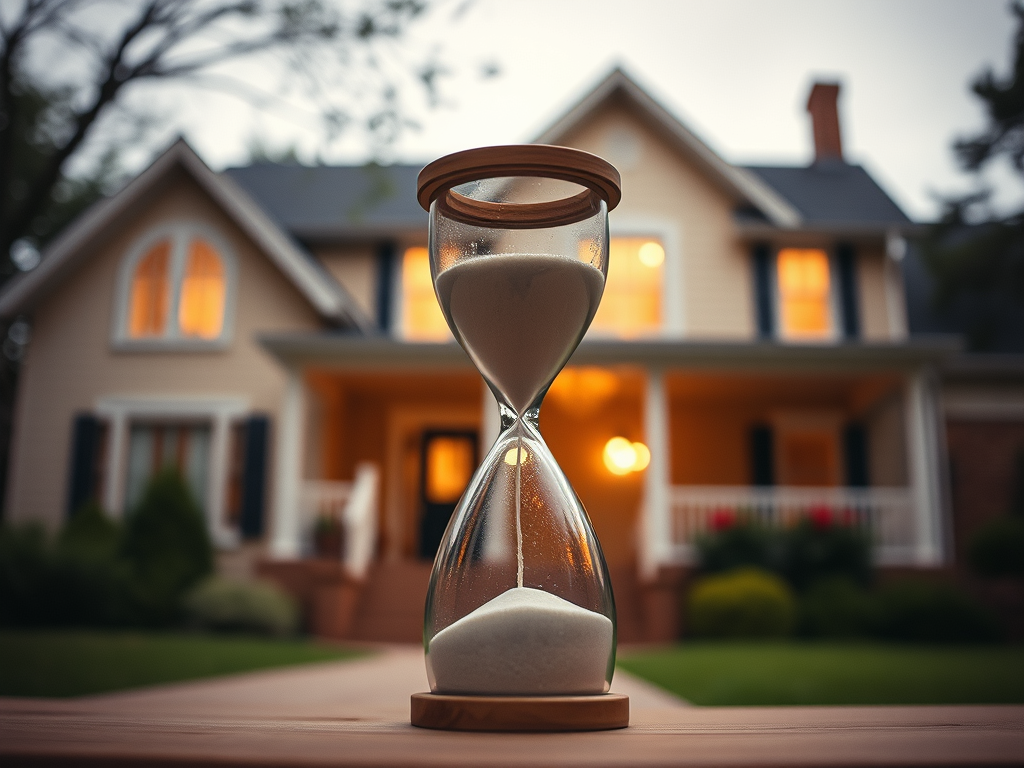
Selling a home can be an exciting but stressful process. You’ve listed your property, prepared for open houses, and waited for offers to roll in. But what happens when your house just isn’t selling? Don’t panic. Here are eight strategies to increase your chances of selling your home quickly and a ninth bonus strategy to reduce your stress.
1. Reevaluate Your Pricing Strategy
One of the most common reasons a house doesn’t sell is because it’s overpriced. Buyers are savvy and often have access to extensive market data. If your home is priced higher than similar properties in the area, it may deter potential buyers. Consider the following steps:
- Get a Comparative Market Analysis (CMA): A real estate agent can provide a CMA to show how your home compares to others recently sold in your area. Your listing agent should keep you abreast of the price trends and your competition as part of their service.
- Adjust the Price: If your home has been on the market for a while with little interest, it might be time to lower the price. Even a slight reduction can make a significant difference. We generally look at showing activity as a guide to the price point. Few or no showings generally mean your home is priced too high and needs a reduction to gain traction with prospective buyers.
2. Enhance Your Home’s Curb Appeal
First impressions matter. The exterior of your home is the first thing potential buyers see; if it doesn’t make a positive impact, they may not even step inside. Boosting curb appeal doesn’t have to be costly:
- Landscaping: Ensure your lawn is mowed, bushes are trimmed, and flowers are planted.
- Exterior Touch-Ups: A fresh coat of paint on the front door or shutters, cleaning the windows, and power washing the siding can give your home a fresh, inviting look.
- Lighting: Good lighting can highlight your home’s best features. Consider adding outdoor lighting to pathways or entryways.
3. Stage Your Home for Success
Staging is about helping buyers envision themselves living in your home. A well-staged home can make a significant difference in how quickly it sells:
- Declutter: Remove personal items and excess furniture to make rooms feel more spacious.
- Neutralize the Space: Use neutral colors for walls and décor to appeal to a broader range of buyers.
- Highlight Key Areas: Pay special attention to the living room, kitchen, and primary bedroom. These are the spaces that often sell a home.
- Virtual Staging: Ask your agent if they can do virtual staging and if they recommend it for your house
4. Improve Your Marketing Efforts
If your home isn’t getting much attention, it might be time to ramp up your marketing efforts. Make sure your property is being promoted effectively:
- Professional Photography: High-quality photos can make your listing stand out. Consider hiring a professional photographer to capture your home in the best light.
- Virtual Tours: With more buyers starting their search online, offering a virtual tour can be a great way to showcase your home.
- Social Media: Share your listing on social media platforms and ask friends and family to do the same. The more exposure, the better.
5. Be Flexible with Showings
If your home is challenging to show, you may miss out on potential buyers. Consider making it as easy as possible for interested parties to see your property:
- Extended Hours: Offer showings in the evenings and on weekends to accommodate more buyers.
- Open Houses: Hosting regular open houses can increase foot traffic and generate interest.
6. Consider Offering Incentives
If your home is still struggling to sell, offering incentives can make your property more attractive to buyers:
- Closing Cost Assistance: Offering to cover some or all of the buyer’s closing costs can make a difference in some markets and price ranges.
- Home Warranty: Providing a home warranty can give buyers peace of mind, knowing they won’t face unexpected repair costs.
- Flexibility on Move-In Date: Be willing to accommodate the buyer’s preferred closing and move-in dates.
7. Reevaluate Your Real Estate Agent
If you’ve tried everything and your home still isn’t selling, it might be time to reevaluate your choice of real estate agent:
- Communication: Is your agent keeping you informed and regularly updating you on progress? This service is a MUST for a seller. You have to know what is happening to respond effectively.
- Marketing Efforts: Review your agent’s marketing effort to ensure it is comprehensive and likely to attract buyers.
- Experience: Consider whether your agent has sufficient experience in your market to sell your home effectively. While an inexperienced agent’s enthusiasm can be contagious, it’s no substitute for a proven track record.
8. Consider Renting Instead
If selling isn’t working out and you’re not in a hurry to move, consider renting your property:
- Rental Income: This can help cover your mortgage and other costs until the market improves.
- Flexibility: You can try selling again later when conditions are more favorable.
- Cons: Tenants often place more wear and tear on your property than you would. Be sure to reserve enough money to renovate before placing the home for sale.
9. Other Factors have an Impact
The current inflationary period, rising interest rates, and political uncertainty create a challenging home sales environment. High inflation has eroded purchasing power, making it harder for potential buyers to save for down payments and cover closing costs. As prices for everyday goods and services rise, many households need help allocating funds for home buying, leading to a slowdown in market activity.
Rising interest rates further complicate the situation. Mortgage rates have also increased as central banks raise rates to combat inflation. Higher borrowing costs reduce the affordability of homes, pricing out many would-be buyers or forcing them to lower their budget expectations. This shift has led to a cooling of demand, especially in previously red-hot markets.
Political uncertainty adds another layer of complexity. Uncertainty about future economic policies, potential regulatory changes, and the economy’s overall direction makes both buyers and sellers hesitant to commit. Many are adopting a wait-and-see approach, hoping for more stability before making significant financial decisions.
These factors have suppressed home sales, leading to longer listing times, price reductions, and a more cautious approach from buyers and sellers in the current market.
This means that some factors are outside of your agent’s and your control. When these factors are slowing your home’s sale, the best action is to have patience. The situation will eventually change.
Final Thoughts
Selling a home can be challenging, but by reassessing your approach and making strategic changes, you can improve your chances of a successful sale. Whether it’s adjusting the price, enhancing your home’s appeal, or ramping up your marketing efforts, there’s always something you can do to make your property more attractive to potential buyers. Don’t be discouraged—patience and persistence often pay off in the real estate market.
Leave a Reply