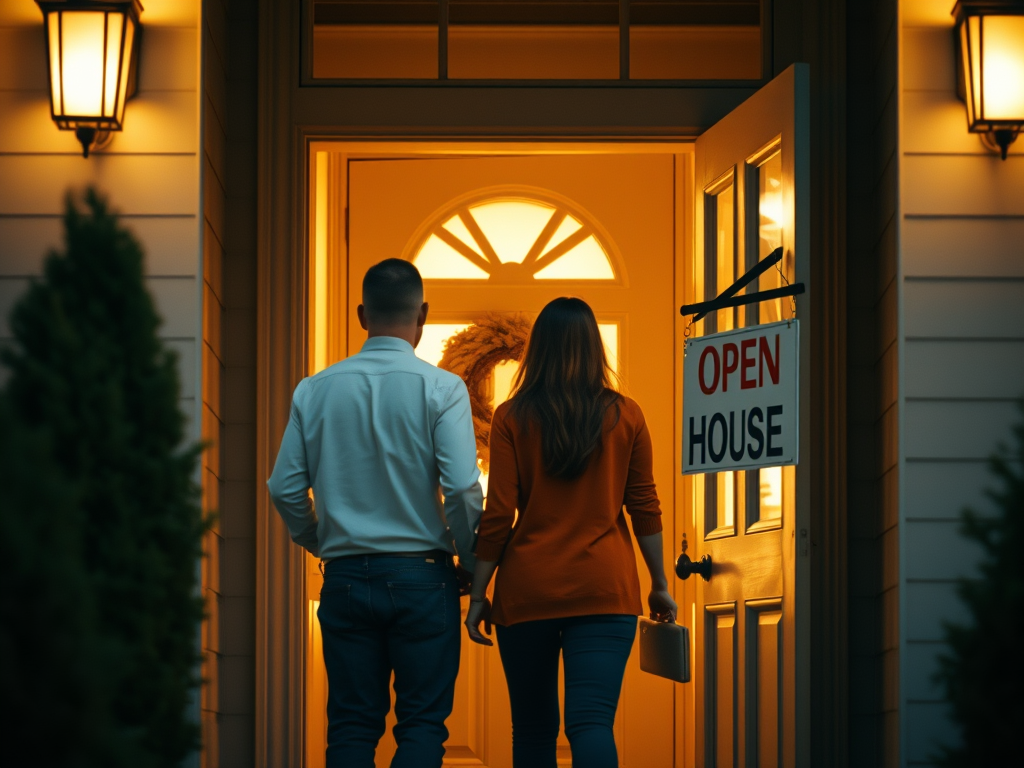
Attending an open house is an exciting step in the home-buying process, offering a chance to explore potential new homes and get a feel for different neighborhoods. However, it’s also a critical time to gather information, ask questions, and make informed decisions. Here’s what you should know when attending an open house, including the crucial roles of the onsite real estate agent and a buyer’s agent, which will empower you in your home-buying journey.
1. Prepare Before You Go
- Do Your Homework: Research the property online beforehand to understand its features, price history, and recent changes. This will allow you to focus on specific details during the visit.
- Know Your Budget: Clearly understand your budget, including pre-approval for a mortgage. This step will allow you to gauge whether the home fits your financial plan.
- Bring a List of Questions: Prepare questions about the home’s condition, neighborhood, and any concerns you might have. A list will help you stay focused during the visit.
2. Pay Attention to the Details
- Look Beyond the Staging: Homes are often staged to look their best during an open house. Look beyond the furniture and décor to assess the home’s layout, size, and structural integrity.
- Check the Condition: Look closely at the home’s condition, including windows, floors, walls, and ceilings. Note any signs of wear and tear, and consider potential repair costs.
- Observe the Neighborhood: Take time to observe the neighborhood and the surroundings. Consider factors like noise levels, proximity to amenities, and overall appeal.
3. The Role of the Onsite Real Estate Agent
- Who Are They? The onsite agent is typically the listing agent, representing the seller. Their primary role is to market the property and facilitate the sale.
- Gather Information: While the agent represents the seller, they can be a valuable source of information about the home, the neighborhood, and the current market. Don’t hesitate to ask questions.
- Transaction Broker Relationship: The default status for Florida real estate agents is to act as transaction brokers. Transaction Brokerage means they provide limited representation to both the buyer and seller without being fully loyal to either party. Understanding the transaction broker’s role can help you navigate the open house more effectively.
- Duties of a Transaction Broker (Per Florida Law): Dealing Honestly and Fairly, Accounting for All Funds, Using Skill, Care, and Diligence, Disclosing All Known Facts, Presenting All Offers and Counteroffers, Limited Confidentiality, Performing Additional Duties Mutually Agreed Upon
4. The Role of a Buyer’s Agent
- What Is a Buyer’s Agent? A buyer’s agent exclusively represents the buyer’s interests throughout the home-buying process. Their primary goal is to help you find the right property, negotiate the best price, and protect your interests.
- Exclusive Representation: Unlike a transaction broker, a buyer’s agent owes full loyalty and confidentiality to the buyer, meaning they will work solely for you in the transaction.
- Guidance and Expertise: A buyer’s agent can provide valuable insights, help you navigate the complexities of the market, and offer strategic advice during negotiations.
5. The Importance of a Signed Buyer Agent Agreement
- Required for Private Showings: All Realtors (the term reserved for members of the National Association of Realtors) working with buyers are now required to have a signed buyer agent agreement before an agent can show them any property outside of an open house. This agreement outlines the responsibilities of both the agent and the buyer.
- Understanding the Agreement: The buyer-agent agreement will typically detail the scope of services the agent will provide, the duration of the agreement, and how and by whom the agent will be compensated. Reviewing this agreement carefully and asking questions if anything is unclear is important.
- Benefits of the Agreement: A signed agreement ensures that your agent is committed to working in your best interest, providing you with dedicated support throughout the buying process.
6. Be Mindful of Etiquette
- Respect the Property: Treat the home with care during your visit. Avoid touching personal items or opening drawers and cabinets without permission.
- Be Honest but Polite: If you’re not interested in the home, it’s okay to be upfront with the agent. However, it’s also important to be polite, as the real estate community is often close-knit.
- Follow-Up: If you’re interested in the property, promptly follow up with your agent or the listing agent. Expressing interest quickly and not waiting can be crucial in a competitive market.
7. Take Notes and Photos
- Document Your Visit: After seeing multiple homes, it’s easy to forget details. Take notes and, if allowed, photos to help you remember key aspects of each property. Be sure to ask the hosting agent if the seller would mind if you take photos before you start filming.
- Compare with Other Homes: Use your notes to compare properties you’ve visited. Consider making a pros and cons list to help narrow down your choices.
8. Consider Bringing Your Buyer’s Agent to the Open House
- Get a Second Opinion: Bringing your buyer’s agent to the open house can provide additional expertise. They can help you ask the right questions and notice details you might overlook.
- Avoid Pressure: Having your agent present can also help you avoid pressure from the listing agent and ensure your interests are represented.
Conclusion
Attending an open house is more than just a casual walk-through; it’s an opportunity to gather critical information and assess whether a property fits you. By preparing ahead of time, understanding the roles of the onsite real estate agent and buyer’s agent, and staying mindful of your needs and goals, you can make the most out of each open house you attend. Remember, having a signed buyer agent agreement is now essential for viewing any properties outside of open houses, ensuring you have the support and representation you need throughout the home-buying process. Happy house hunting!
Leave a Reply