
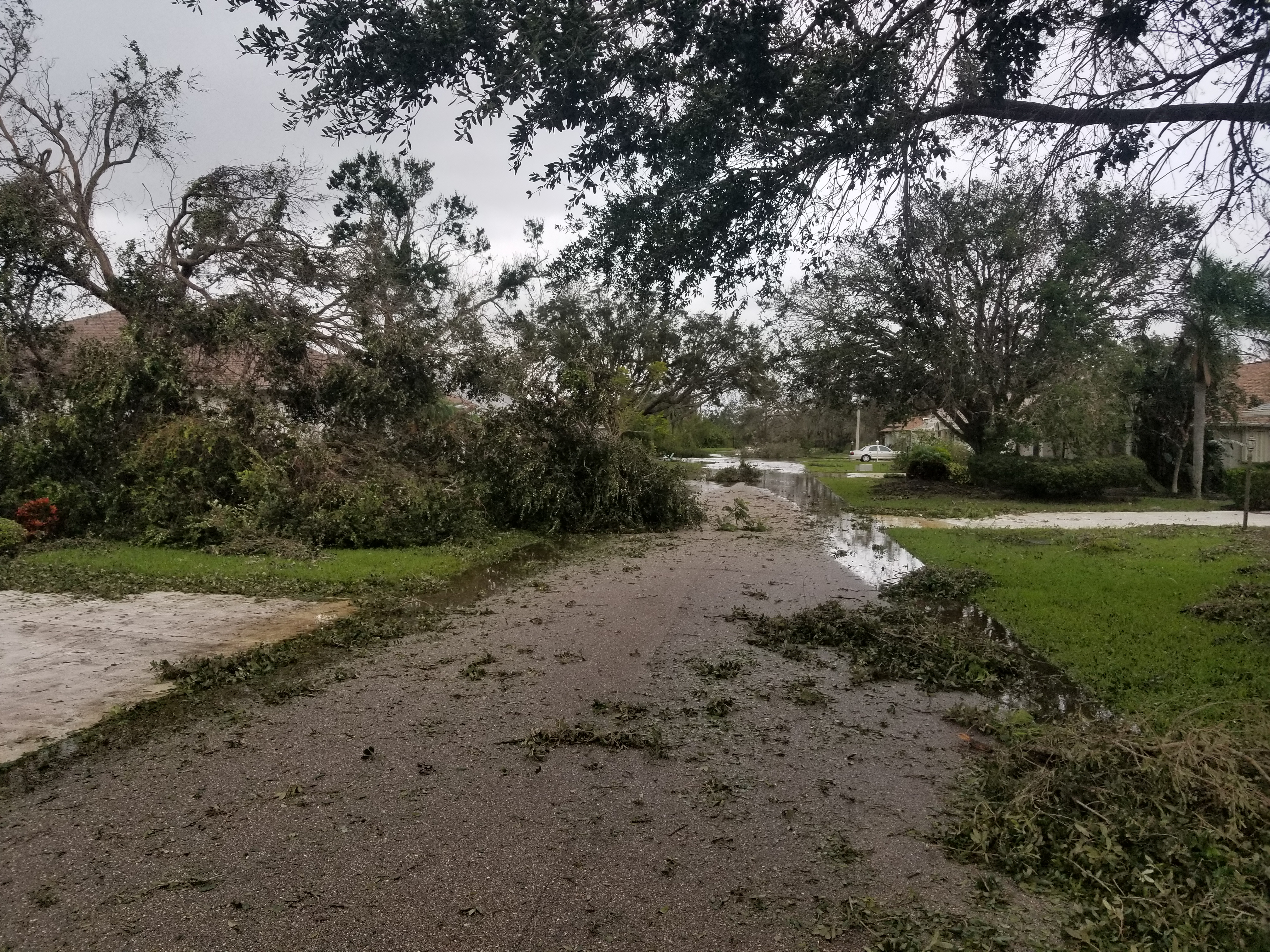
Hurricane Ian Damage – Downed Oak Tree
When you mention Florida, hurricanes usually come up. It’s true that hurricanes sometimes strike Florida, and they can sometimes be quite destructive, but after living here for decades, I can say they are usually just an inconvenience. On a secondary level, however, hurricanes are a real problem. Insurance claims resulting from wind and high water damage can run into the billions.
Insurance companies, like any other private enterprise, exist to make a profit for their shareholders. When there are excessive claims due to hurricane damage, insurance companies can have difficulty meeting their obligations, and many elect to cease offering coverage in the state. That results in less competition and insurance rates go up as a result.
One way homeowners can lower their insurance rates is to ensure their property meets current windstorm building codes. Generally, when a homeowner asks an insurance company to insure a home, a Wind Mitigation inspection is required. A favorable Wind-Mit report may result in lower insurance rates.
A Wind-Mit inspection is a thorough assessment of a property’s structural features and components that are designed to reduce damage from windstorms, hurricanes, or other severe weather events. These inspections are widespread in areas prone to high winds and hurricanes.
During a Wind-Mitigation inspection, a qualified inspector typically evaluates various aspects of the property, including:
- Roof covering: The inspector examines the type, age, and condition of the roof covering material. Certain materials, such as impact-resistant shingles or metal roofing, may be more resilient to wind damage.
- Roof geometry: The roof shape and design can affect its ability to withstand wind forces. Hip roofs, for example, tend to be more wind-resistant than gable roofs.
- Roof deck attachment: The inspector checks how the roof decking is attached to the underlying structure, such as with nails or screws. Proper attachment can help prevent the roof from being lifted off during a windstorm.
- Roof-to-wall connections: The strength of the connections between the roof and walls is assessed. Stronger connections, such as hurricane straps or clips, can enhance the stability of the entire structure.
- Secondary water resistance: This involves evaluating whether the roof has a secondary layer of protection, such as a waterproof membrane or sealed roof deck, which can help prevent water intrusion if the primary roof covering is damaged.
- Opening protection: The inspector examines the protection measures for windows, doors, and other openings, such as hurricane shutters or impact-resistant glazing, which can prevent wind-borne debris from entering the property and causing damage.
After completing the inspection, the inspector provides a report detailing findings and any recommended improvements. Many insurance companies offer discounts or premium credits to homeowners who have undergone a Wind Mitigation inspection and have implemented certain wind-resistant features based on the inspector’s recommendations. These insurance benefits can help homeowners save money on their insurance premiums while also increasing the resilience of their property to wind-related hazards.
Leave a Reply