Local Government real estate portals generally offer information on a property’s annual taxes. However, it’s a good idea to verify this information with your real estate agent and the sellers. Here are some questions to ask about property taxes that will help you understand the impact the local taxes have on your ownership. This will also help you plan for possible changes in your tax bill.
What is the assessed value of the property? The assessed value is generally less than the market value. A recent version of the tax bill will show this information.
How often are properties reassessed in this area? Generally, this will occur annually, but slower growth areas may be reassessed less often.
When was the last reassessment on this property? Large tax increases on an individual property can usually be linked to when that property was last reassessed. In Florida, the assessed value will increase if the property has appreciated significantly since the last sale.
Will the sale of the property result in a tax increase? Depending upon where you live, a property’s assessed value may increase based on the amount you pay for it. In California, for example, annual increases for existing owners are capped, and properties are reassessed when sold. Similarly, in Florida, the property is reassessed whenever sold, and the new assessed value is based on the sales price. Florida also has an annual cap and a homestead provision that limits increases.
Is the tax bill comparable to that of other properties in the area? If not, it might be possible to lower the rate by appealing the assessment, although that is often a difficult process.
Are there special exemptions you might be qualified for? For example, many tax districts offer reductions to individuals 65 and older.
Are there any upcoming changes in tax laws or assessments that could affect the property’s tax rate in the near future?
Are there any local tax incentives or programs available for homeowners that could potentially reduce my property tax burden?
How are property taxes in this area allocated? What portion goes to schools, infrastructure, emergency services, etc.?
Are there any pending assessments or levies for community improvements or developments that could impact future property tax bills?
Are any tax abatement or deferral programs available for specific properties or homeowners in this area?
How are property tax rates determined in this jurisdiction? Is it based on assessed value, millage rates, or a combination of factors?
Can the property tax bill be paid in installments, or are any discounts available for early payment? In Florida, the annual taxes are due in March of the following year, but early payments earn a discount. Payments made in November are discounted four percent. A payment in December is discounted by 3%, January gets 2% off, February gets a 1% discount, and March payments must be for the full amount.
Are there any local initiatives or proposals that could affect property tax rates or assessment methods in the future?
How does the local government handle disputes or appeals regarding property tax assessments, and what is the process for challenging an assessment if necessary?
Are there any potential tax implications or considerations specific to this property’s location, such as being in a special tax district or enterprise zone?
Remember, in real estate ownership, you must consider four ongoing expenses. They are known as PITI, which is an acronym for Principal, Interest, Taxes, and Insurance.
If you are not financing your purchase, there will be no mortgage, no repayment of the loan Principal, and no interest to worry about. You will still have to consider Taxes and Insurance.
We will deal with Insurance issues in another post.
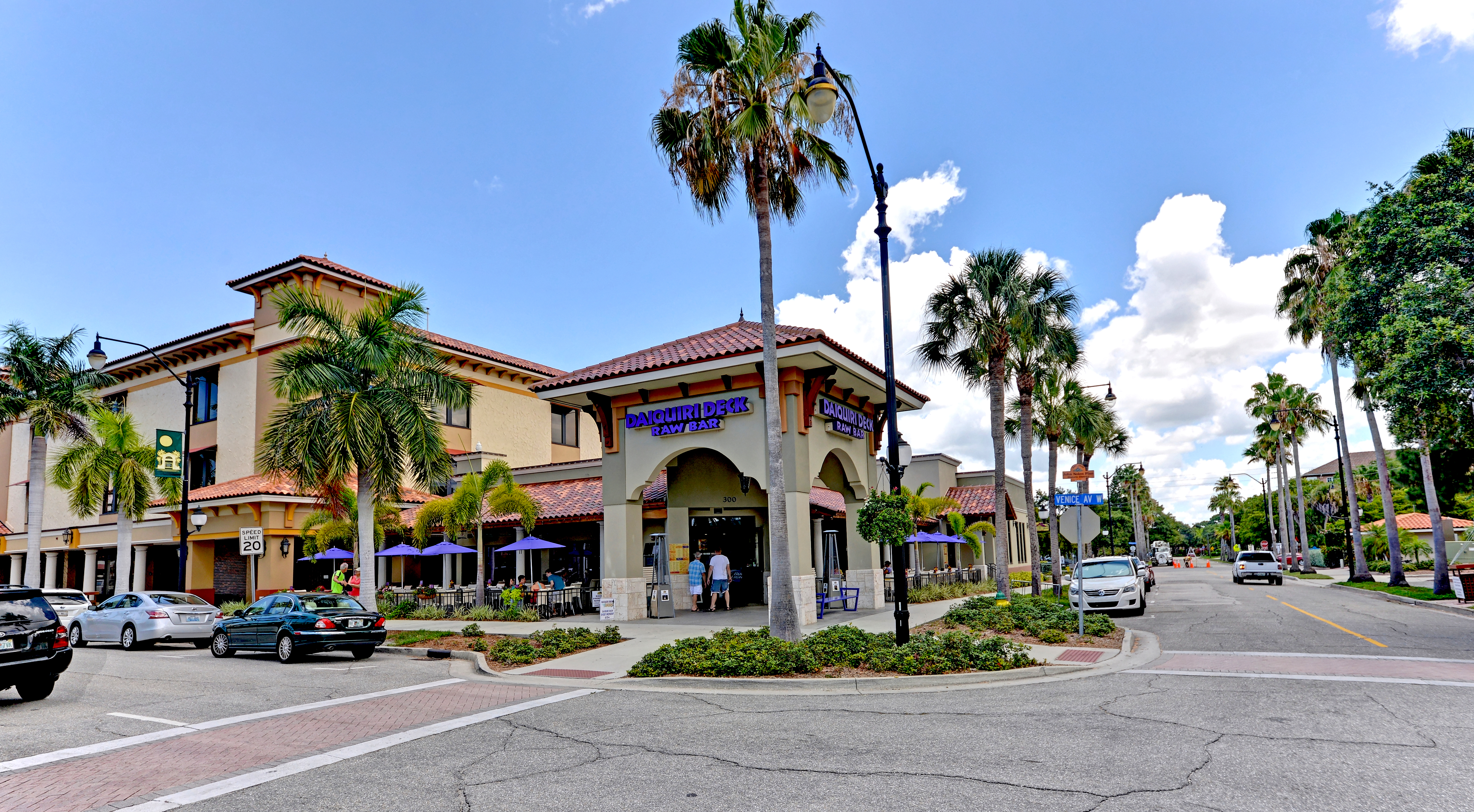
The Venice area is located in Sarasota County, Florida. Here is a link to the Sarasota County Property Appraiser’s website. You can search the publicly available data here to find the current values for any home you are considering purchasing.
Leave a Reply